South Carolina Cannabis Laws – Criminal Policy and Reform Debate
How Strict Are Marijuana Laws in the Palmetto State?
South Carolina maintains some of the stricter cannabis laws in the Southeastern United States. Unlike states that have moved toward decriminalization or legalization, marijuana possession in South Carolina still carries criminal penalties that can include fines, jail time, and permanent criminal records.
Although cannabis reform has been discussed in recent years, particularly around medical marijuana legislation, the state’s criminal laws regarding marijuana remain largely unchanged. Understanding South Carolina’s cannabis policy requires looking at possession penalties, enforcement practices, and the ongoing debate around criminal justice reform.
Current Marijuana Possession Laws
Under South Carolina law, marijuana remains illegal for both recreational and most medical uses. Possession of cannabis can lead to criminal charges depending on the amount involved.
Small amounts
Possession of up to one ounce of marijuana is classified as a misdemeanor.
Individuals charged may face up to 30 days in jail and fines that can reach $200 or more, depending on the circumstances.
First-time offenders are often eligible for diversion programs or conditional discharge, which may prevent a permanent conviction if court requirements are completed.
Larger amounts
Possession of more than one ounce of marijuana can lead to more serious charges and increased penalties.
Distribution or intent to distribute cannabis can lead to felony charges, even for relatively small quantities.
Trafficking charges
South Carolina law also includes strict trafficking penalties for larger quantities of marijuana. These offenses can result in significant prison sentences and high fines, depending on the weight of the cannabis involved. Because of these laws, South Carolina remains one of the states where individuals can still face jail time for relatively small amounts of marijuana.
Is South Carolina a Strict Enforcement State?
In general, South Carolina is still considered a strict enforcement state when it comes to cannabis. Compared with states that have decriminalized marijuana possession, South Carolina law enforcement agencies still have the authority to arrest individuals for minor possession offenses. However, enforcement can vary depending on the jurisdiction.
In larger cities such as:
Charleston
Columbia
Greenville
local law enforcement may prioritize more serious criminal activity, though marijuana possession charges still occur. In smaller towns and rural areas, enforcement can sometimes be stricter, and individuals caught with cannabis may face more aggressive prosecution. Because marijuana remains illegal statewide, there is no legal protection for possession outside of extremely limited medical exceptions.
Attempts at Cannabis Criminal Reform
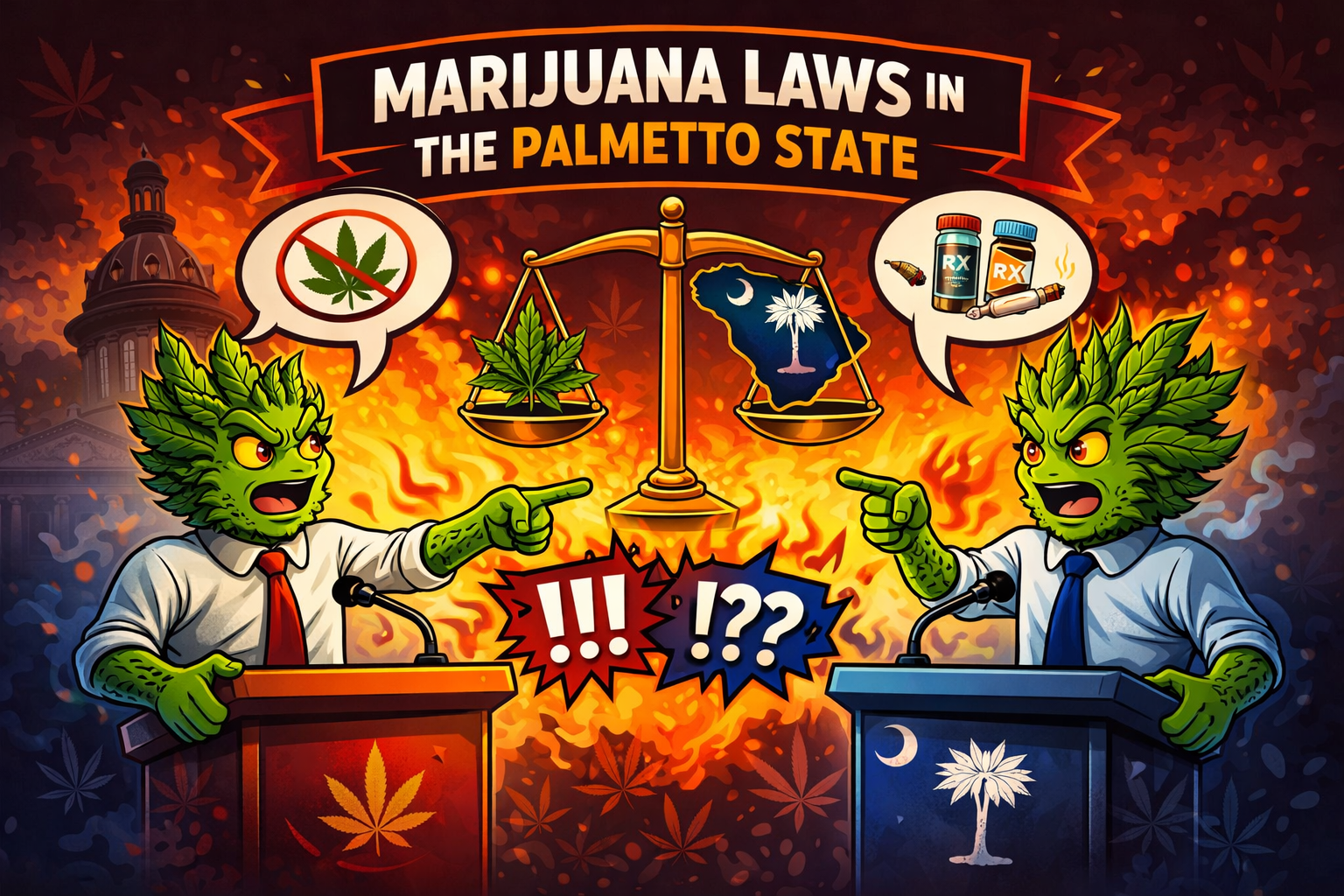
In recent years, South Carolina lawmakers have debated reforms aimed at modernizing the state’s cannabis laws.
Some proposals have included:
reducing penalties for small possession amounts
creating medical marijuana access for patients
expanding diversion programs for first-time offenders
While most reform efforts have focused on medical cannabis, some policymakers have also discussed whether minor marijuana possession should carry criminal penalties at all. Supporters of reform argue that strict marijuana laws contribute to unnecessary arrests and can create long-term consequences for individuals convicted of low-level offenses. However, broader decriminalization proposals have struggled to gain enough support within the state legislature.
Cannabis Advocacy in South Carolina
Cannabis advocacy in South Carolina has grown steadily over the past decade.
Advocacy organizations, patient groups, and criminal justice reform advocates have worked to bring attention to the state’s cannabis policies.
Many of these groups focus on:
expanding medical marijuana access
reducing criminal penalties for possession
addressing disparities in marijuana-related arrests
promoting economic opportunities related to cannabis industries
Public opinion around cannabis has also shifted in South Carolina. Surveys conducted in recent years suggest that many residents support legal medical marijuana, even if support for recreational legalization remains mixed.
Cultural Shifts and Regional Pressure
South Carolina’s cannabis debate is also influenced by developments in neighboring states and across the country. As more states legalize cannabis or adopt medical marijuana programs, residents and policymakers in South Carolina are increasingly exposed to the potential economic and healthcare impacts of cannabis reform. At the same time, the growing hemp industry across the United States has introduced many South Carolina residents to cannabis-derived products such as CBD. These shifts have gradually changed how cannabis is discussed within the state’s political and cultural landscape.
The First Hit Perspective
South Carolina’s cannabis laws reflect a cautious approach to marijuana policy that has remained largely unchanged for decades. Possession of even small amounts of cannabis can still lead to criminal charges, making the Palmetto State one of the stricter jurisdictions in the Southeast when it comes to marijuana enforcement. However, the conversation around reform continues to grow. Patient advocacy groups, criminal justice reform organizations, and changing public opinion are gradually pushing cannabis policy into the spotlight. Whether through medical marijuana legislation or broader criminal justice reforms, South Carolina may eventually face growing pressure to reconsider its approach to cannabis laws. For now, the state remains a place where marijuana possession still carries real legal consequences—and where the future of cannabis reform is still being debated.